Blog
Tips for Looking and Feeling Great at Summer Weddings

Posted:
Summer weddings mean fun, family, great food, and even better weather. They can also come with a whole buffet of common rosacea triggers. Here are some tips to help you have a worry-free event.
Read More
Summer weddings mean fun, family, great food, and even better weather. They can also come with a whole buffet of common rosacea triggers. Here are some tips to help you have a worry-free event.
Read More
Track Triggers With National Rosacea Society’s Updated Rosacea Diary

Posted:
The National Rosacea Society today announced it has introduced an updated version of the “Rosacea Diary,” a booklet containing diary pages to help patients identify and avoid their personal rosacea triggers – such as certai
Read More
The National Rosacea Society today announced it has introduced an updated version of the “Rosacea Diary,” a booklet containing diary pages to help patients identify and avoid their personal rosacea triggers – such as certai
Read More
Tips for Talking About Rosacea

Posted:
A recent NRS survey found that 70% of respondents with rosacea feel uncomfortable at parties, and 75% said it negatively affected their workplace interactions.
Read More
A recent NRS survey found that 70% of respondents with rosacea feel uncomfortable at parties, and 75% said it negatively affected their workplace interactions.
Read More
New Study Indicates a Healthy Plant-Based Diet May Lower Rosacea Risk

Posted:
Numerous studies have looked at the role of individual dietary triggers, such as spicy foods, hot drinks, and foods rich in histamine or cinnamaldehyde.
Read More
Numerous studies have looked at the role of individual dietary triggers, such as spicy foods, hot drinks, and foods rich in histamine or cinnamaldehyde.
Read More
Take Advantage of Modern Management Options During Rosacea Awareness Month

Posted:
When the National Rosacea Society (NRS) was founded in 1992, rosacea was considered a rare disease and there was only one FDA-approved treatment.
Read More
When the National Rosacea Society (NRS) was founded in 1992, rosacea was considered a rare disease and there was only one FDA-approved treatment.
Read More
New Survey Explores the Impact of Sleep on Rosacea

Posted:
Sleep quality makes a big impact on one’s health — but what about its impact on rosacea?
Read More
Sleep quality makes a big impact on one’s health — but what about its impact on rosacea?
Read More
Rosacea Awareness Month to Highlight Wide Range of Management Options

Posted:
The 1 in 20 Americans who suffer from rosacea have more treatment options than ever before — but most patients don't take advantage of the full range of ever-increasing therapy options, experts say.
Read More
The 1 in 20 Americans who suffer from rosacea have more treatment options than ever before — but most patients don't take advantage of the full range of ever-increasing therapy options, experts say.
Read More

National Rosacea Society Awards Grant for Rosacea Research

Posted:
The National Rosacea Society (NRS) has awarded funding for one new study as part of its research grants program to increase scientific knowledge about this once-poorly understood disorder. The program is now in its 26th year.
Read More
The National Rosacea Society (NRS) has awarded funding for one new study as part of its research grants program to increase scientific knowledge about this once-poorly understood disorder. The program is now in its 26th year.
Read More
Rosacea Therapy During Pregnancy May Be Challenging

Posted:
Although it can be a challenge to treat rosacea during pregnancy, there are several effective and safe treatments, according to a recent article reviewing the findings of 20 papers on the subject.
Read More
Although it can be a challenge to treat rosacea during pregnancy, there are several effective and safe treatments, according to a recent article reviewing the findings of 20 papers on the subject.
Read More
The Impact of Age on Rosacea: What You Need to Know

Posted:
Age has an impact on everyone’s health, and rosacea patients are no exception. But while age may be a factor in the disorder, it’s unwise to make any assumptions based on whether a rosacea patient is young or old. Here are a few facts and figures to keep in mind.
Read More
Age has an impact on everyone’s health, and rosacea patients are no exception. But while age may be a factor in the disorder, it’s unwise to make any assumptions based on whether a rosacea patient is young or old. Here are a few facts and figures to keep in mind.
Read More
Do Fungi Play a Role in Rosacea?

Posted:
It is well established that differences in the microbiome — the ecological community of microorganisms that live within and on the human body — plays a role in the development of rosacea and affect the severity of signs and symptoms.
Read More
It is well established that differences in the microbiome — the ecological community of microorganisms that live within and on the human body — plays a role in the development of rosacea and affect the severity of signs and symptoms.
Read More
Crescel Skin Renewal Cream: Answering Rosacea’s Treatment Challenges

Posted:
Sponsored post The following announcement is sponsored by Crescel, LLC. Rosacea is a highly inflammatory skin condition driven by a complex interplay of vascular, neural, and immune mechanisms. And it is chronic, recurrent, painful, and progressively disfiguring.
Read More
Sponsored post The following announcement is sponsored by Crescel, LLC. Rosacea is a highly inflammatory skin condition driven by a complex interplay of vascular, neural, and immune mechanisms. And it is chronic, recurrent, painful, and progressively disfiguring.
Read More

Feel and Effect Work Together in Skin Care for Rosacea

Posted:
When it comes to skin care for rosacea, patient preferences are nearly as important as whether it works, according to Dr.
Read More
When it comes to skin care for rosacea, patient preferences are nearly as important as whether it works, according to Dr.
Read More
COVID-19 Infection or Vaccination May Trigger Rosacea in Some Cases
Posted:
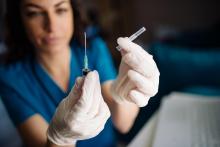
A recently published study found that some people with rosacea may be at risk of a flare-up or worsened signs and symptoms as a result of being infected by COVID-19 — and to a lesser degree from the protective vaccine as well.
Read More
A recently published study found that some people with rosacea may be at risk of a flare-up or worsened signs and symptoms as a result of being infected by COVID-19 — and to a lesser degree from the protective vaccine as well.
Read More

Fending Off Fall Flare-Ups

Posted:
Autumn brings plenty of pleasantness, like cool breezes, brightly colored leaves, and fun outdoor events and activities. But no season is risk-free for rosacea patients.
Read More
Autumn brings plenty of pleasantness, like cool breezes, brightly colored leaves, and fun outdoor events and activities. But no season is risk-free for rosacea patients.
Read More
From Flare to Flow: Stress Relief for Rosacea Relief

Posted:
This week’s guest blogger is Dr. Keira Barr. As a dual board-certified dermatologist and somatic trauma practitioner, Dr. Barr created the Center for Mind Skin Medicine to help rosacea patients calm the storm beneath the surface by addressing the stress, frustration, and invisible weight rosacea can carry.
Read More
This week’s guest blogger is Dr. Keira Barr. As a dual board-certified dermatologist and somatic trauma practitioner, Dr. Barr created the Center for Mind Skin Medicine to help rosacea patients calm the storm beneath the surface by addressing the stress, frustration, and invisible weight rosacea can carry.
Read More
New Survey Reveals the Physical Discomforts of Rosacea
Posted:
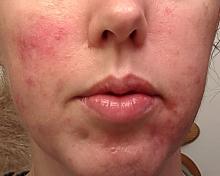
While rosacea is known primarily for its visible signs, such as persistent redness, the overwhelming majority of sufferers also experience unseen effects of the disease.
Read More
While rosacea is known primarily for its visible signs, such as persistent redness, the overwhelming majority of sufferers also experience unseen effects of the disease.
Read More
Rosacea in Older People: Less Common or Underdiagnosed?
Posted:
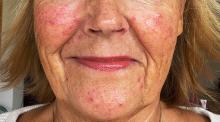
Does rosacea become less of an issue as we age? Or is it just less commonly diagnosed? Two recent studies aim to shed light on this puzzling phenomenon.
Read More
Does rosacea become less of an issue as we age? Or is it just less commonly diagnosed? Two recent studies aim to shed light on this puzzling phenomenon.
Read More
Beyond Sunscreen: Sun Protection Besides Lotions

Posted:
Summer is here! While most welcome the sun’s warmth and brightness, many rosacea patients have to think twice about going outside for fear of a flare-up.
Read More
Summer is here! While most welcome the sun’s warmth and brightness, many rosacea patients have to think twice about going outside for fear of a flare-up.
Read More
Be Cautious with Skin Care Trends and Rosacea
Posted:
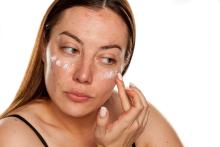
Social media helps new trends spread like wildfire. All of a sudden, everyone seems to be doing some new dance or using a word you’ve never heard before!
Read More
Social media helps new trends spread like wildfire. All of a sudden, everyone seems to be doing some new dance or using a word you’ve never heard before!
Read More
New Study Finds Differences in the Skin Microbiome Between Rosacea and Similar Conditions
Posted:
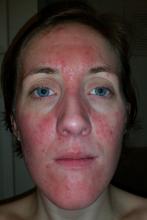
Rosacea, steroid-induced rosacea and perioral dermatitis look very similar: all three conditions cause redness and bumps and pimples on the face.
Read More
Rosacea, steroid-induced rosacea and perioral dermatitis look very similar: all three conditions cause redness and bumps and pimples on the face.
Read More
“Dr. Pimple Popper” Discusses Rhinophyma Treatment at AAD Annual Meeting
Posted:
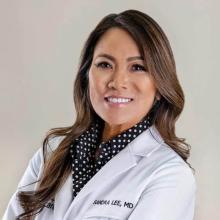
Dr. Sandra Lee, host of the popular reality TV series “Dr. Pimple Popper,” discussed her approach and experiences treating rhinophyma — a form of rosacea that results in thickened skin and enlargement of the nose from excess tissue — at the 2025 American Academy of Dermatology annual meeting in Orlando in March. One of the misconceptions she addressed is that this disfiguring form of rosacea only occurs in white men.
Read More
Dr. Sandra Lee, host of the popular reality TV series “Dr. Pimple Popper,” discussed her approach and experiences treating rhinophyma — a form of rosacea that results in thickened skin and enlargement of the nose from excess tissue — at the 2025 American Academy of Dermatology annual meeting in Orlando in March. One of the misconceptions she addressed is that this disfiguring form of rosacea only occurs in white men.
Read More